A small co-op for kids who like to make things.
Forge is a project-based homeschool co-op in Farmington for children roughly 6–12. We keep the group small — around 8–10 families — so it stays personal and hands-on.
The work of the hands
There is a great deal children can learn from a person who has spent a lifetime at one kind of work. The camps at Forge are taught by people like that — a man who makes bows by hand, a silversmith, an archer who has competed for her country, a cook. The children do not only listen. They work with real tools, and when the weeks are through each one has something made by their own hands to carry home.
Much of what they learn stays for good. A child who can cook a plain meal, lay a fire, handle a knife without harm, mend a seam, or sit properly at a table will be glad of it all their life. Other lessons are quieter. A child learns to keep at a task after it turns hard, to measure with care before cutting, to take correction from someone who knows more, and to be patient with their own hands while those hands learn.
It is good, too, for children to try many kinds of work. In one year a child may bend leather, cook at a stove, tell a story before others, and shape metal, and come out of it knowing a little more of what they love and what they do not. They meet grown men and women who have made an honest living at the thing they care for, and they see that such a life can be had.
The rest of their schooling happens at home. Forge is here for the part that is best learned by doing, with good tools and a good teacher close by.
What we offer
- Skill-based project camps taught by specialists.
- Seasonal gatherings: a family-friendly Halloween mystery party, a Thanksgiving etiquette meal, Christmas, Valentine's Day, and an End of Year party.
- A close-knit group of families where friendships have room to grow.
How it works
Forge is a drop-off program most Fridays — camps are led by hired specialists, so you're free to drop off and go. We do run a light volunteer rotation: one parent is on duty alongside the instructor each Friday, helping out through lunch and park time. With our group size, that comes out to about once every two and a half months per family. If something comes up and you can't make your day, it's on you to text and find another parent to cover for you.
That said, any parent is welcome to stay with their child on any given Friday. Some of these camps are just plain fun, and we don't blame anyone for wanting to stick around.
We loosely follow the Davis School District calendar for Fall, Thanksgiving, Winter, and Spring breaks, and we take summers off too. Loosely, because between so many wonderful instructors and only so many Fridays in a school year, we occasionally can't spare one the district does. When that happens, we'll always say so plainly on the schedule below.
This year's rough schedule
Here's roughly how the year lines up so far (subject to change). We work hard to bring in the most qualified, passionate specialists — pricing is set by each instructor and varies, though we always aim to keep costs reasonable.
| Rough dates | What's happening | Length | Price |
|---|---|---|---|
| Sep 11 | Storytelling Camp — Week 1 of 3Mr. Karl teaches the art of storytelling — kids interact inside a story and learn how to become great storytellers themselves. Mr. Karl serves on the executive committee for the Weber State University storytelling festival. | 3 weeks | $20/child |
| Sep 18 | Storytelling Camp — Week 2 of 3Mr. Karl teaches the art of storytelling — kids interact inside a story and learn how to become great storytellers themselves. Mr. Karl serves on the executive committee for the Weber State University storytelling festival. | — | — |
| Sep 25 | Storytelling Camp — Week 3 of 3Mr. Karl teaches the art of storytelling — kids interact inside a story and learn how to become great storytellers themselves. Mr. Karl serves on the executive committee for the Weber State University storytelling festival. | — | — |
| Oct 2 | Horseback Riding / Animal CampTaught by Farmer Martha, who owns the pasture and all 51 of its animals. She bought her first horse at 12, competed in 4-H and rodeo, studied pre-vet and equine physical therapy in Kentucky, and worked with racehorses at the Keeneland sales. She is certified in equine massage therapy and equine-assisted therapy for children, and she loves teaching kids how to connect with ponies. Martha will teach a real riding lesson and a hands-on lesson on caring for horses, and kids will groom and care for the ponies themselves. They'll also help feed the ducks, sheep, and goats. We'll try to squeeze in another farm/animal day in the spring once all the baby animals are born! | 1 week | Free |
| Oct 9 | Silversmith ClassTaught by Rene Venegas, a 16th-generation silversmith who has taught jewelry and silversmithing at Weber State University for 15 years and won Ogden City's Mayor's Art Award for Folk Art. Kids will file, stamp, and bend copper to make their own bracelets. | 1 week | $20/child |
| Oct 16 | Fire Building / Survival Camp (session 1 of 2)Taught by Mr. Greg, a retired seminary teacher and jack of all trades with a wealth of practical knowledge. This session is all about fire building — kids will scout out twigs, sticks, kindling, and branches, then each child builds and lights a fire of their own, one built to keep burning on its own. (We're going to do a poll and see if everyone would prefer the kids work on fire building, or scouting out a spot in the woods and start building a fort.) Heads up: this lands during Davis School District's Fall Break (Oct 15–16). Co-op runs as normal this Friday — mark your calendar so it doesn't get lost in a long-weekend trip. | 1 week | $20/child |
| Oct 23 | Halloween Mystery PartyHeld at our local park, with plenty of interesting spots to hide clues. Kids will team up — younger ones paired with older ones to help with reading and solving — and work together to crack the mystery. Afterward, we'll wind down with a small potluck (sign-up sheet to come). | — | Free |
| Oct 30 | JA BizTownAges 9+ — open to any co-op members who'd like to join us. | 1 week | $5/child |
| Nov 6 | Bow Making Class — Week 1: Shaping & TilleringTaught by Dan Buhler, a self-taught bowyer and owner of Bowtell Bows who has built over 100 traditional wooden bows and shares his craft on his YouTube channel. A two-time Utah Folk Arts Apprenticeship Grant recipient, he's built bows for top archers across Utah, Idaho, and Montana. Starting from a pre-shaped hickory bow blank, kids hand-carve and check the tiller (the bow's bend) until it flexes evenly, the same process a real bowyer uses. | 2 weeks | $115/child |
| Nov 13 | Bow Making Class — Week 2: Finishing & ArrowsTaught by Dan Buhler, a self-taught bowyer and owner of Bowtell Bows who has built over 100 traditional wooden bows and shares his craft on his YouTube channel. A two-time Utah Folk Arts Apprenticeship Grant recipient, he's built bows for top archers across Utah, Idaho, and Montana. Kids sand and finish their bow, then build one arrow of their own with a real, sharp point. Each child also gets a few softer practice arrows to shoot around with, so they've got something safer on hand too. Every student walks away with a bow and arrows they made themselves. | — | — |
| Nov 20 | Thanksgiving Etiquette MealTaught by Camille, director of Utah Etiquette and an etiquette instructor since 2012, with a background as an event specialist for Brown Brothers Catering. She's taught manners and etiquette to schools, church groups, conferences, and businesses, and was featured on RadioWest discussing tipping culture. Families bring a potluck Thanksgiving dish to share (sign-up sheet to come), and Camille leads a 90-minute lesson on social skills, communication, and dining manners right at the table while everyone eats. | 1 week | $18/child |
| Nov 27 | No Co-op — Thanksgiving BreakEnjoy the long weekend. | — | — |
| Dec 4 | Fire Building / Survival Camp (session 2 of 2)Taught by Mr. Greg, a retired seminary teacher and jack of all trades with a wealth of practical knowledge. This session is weather dependent — if it's nice out, we'll continue building on our survival skills; if the weather doesn't cooperate, we'll switch to a whittling session instead. One idea we're kicking around: having Mr. Greg help the kids scout a spot in the woods and start building a fort. | 1 week | $20/child |
| Dec 11 | Art Camp — Week 1: Charcoal & SketchingKids learn to observe and render like classical artists, building real shading, line, and form in charcoal and graphite. | 3 weeks | $100/child |
| Dec 18 | Christmas PartyFor this year's party, everyone draws a name ahead of time, then finds something at home they're ready to pass on — a toy, book, or game still in good shape — and wrapping it up for that person. We'll have Christmas music going and cocoa in hand while we make the handmade card that goes with each gift, then everyone gives their person their gift and card. Since we'll most likely be cooped up inside at my house this time of year, plan on a shorter day than usual — 10am to 1pm. | — | Free |
| Dec 25 | No Co-op — Christmas DayMerry Christmas! | — | — |
| Jan 1 | No Co-op — New Year's DayHappy New Year. Art Camp picks back up on the 8th. | — | — |
| Jan 8 | Art Camp — Week 2: Wool FeltingKids learn the ancient craft of turning raw wool into something entirely new, using nothing but water, soap, and their own hands. | — | — |
| Jan 15 | No Co-op — Maquell Out of TownArt Camp picks back up the following Friday. | — | — |
| Jan 22 | Art Camp — Week 3: Gelli Plate Botanical PrintmakingLong before laser printers and copy machines, all printmaking was done by hand on a press. Kids use a modern Gelli plate to pull one-of-a-kind monoprints from real leaves — a craft rooted in traditional printmaking, where no two prints are ever exactly alike. | — | — |
| Jan 29 | Leather Working Camp — Session 1 of 3Mrs. Andrea teaches with genuine leather — this year kids will make their own quiver and arrows. | 3 weeks | $85/child |
| Feb 5 | Leather Working Camp — Session 2 of 3Mrs. Andrea teaches with genuine leather — this year kids will make their own quiver and arrows. | — | — |
| Feb 12 | Valentine's Day PartyKids exchange valentines — no candy, just a small trinket or a handmade card, and every single one is accepted and cherished. Afterward we'll gather for a cozy brunch of sourdough waffles, crispy bacon, fluffy eggs, and fresh fruit, then wrap up the day with a small service project — kids will put together little bags of homemade dry soup mix, tie them up with a handwritten card, and deliver them to a few elderly neighbors nearby. | — | Free |
| Feb 19 | Leather Working Camp — Session 3 of 3Mrs. Andrea teaches with genuine leather — this year kids will make their own quiver and arrows.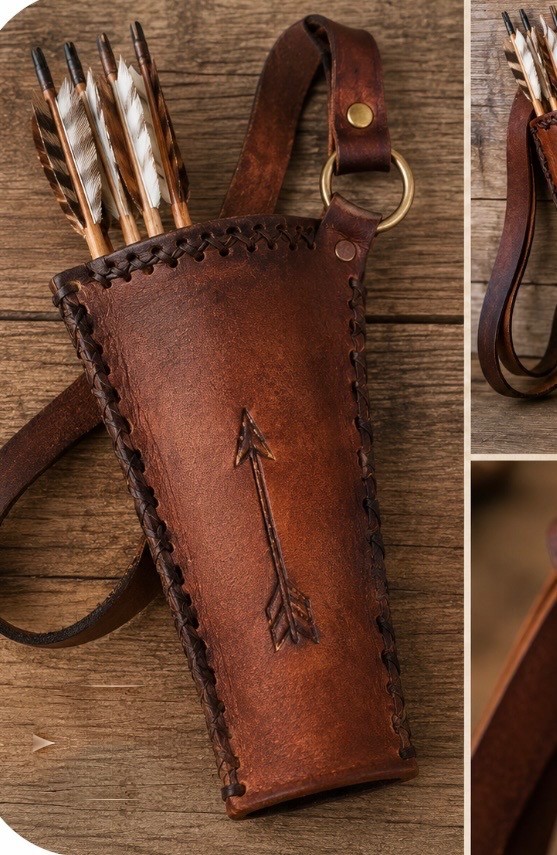 | — | — |
| Feb 26 | Cooking Camp — Week 1: Knife SkillsTaught by chef Rebekah Stewart, who earned a culinary degree in French cuisine from Le Cordon Bleu in Paris in 2016 and has taught cooking to children and adults for over ten years, tailoring each class to her students' own culinary goals. Eight Fridays, two hours each. This week: different knife cuts (julienne, dice, mince, chiffonade), filleting fish and slicing meat, carving a whole chicken, and cooking the meat once it's prepped. | 8 weeks | $250/child |
| Mar 5 | Cooking Camp — Week 2: Proteins & Basic MarinatingAcids, flavorings, and recipes for marinating, including how to marinate different types of meat. | — | — |
| Mar 12 | Cooking Camp — Week 3: Fresh Herbs + Quick Weeknight MealFlavor profiles for herbs, pairing herbs with dishes, washing and drying fresh herbs, then using what they learned to put together a simple one-pan dinner they could make on a weeknight at home. | — | — |
| Mar 19 | Cooking Camp — Week 4: Grains, Pasta & TimingLearning to cook different grains and pastas, and the importance of timing. | — | — |
| Mar 26 | Cooking Camp — Week 5: Breakfast BasicsEggs three ways (scrambled, fried, folded omelet), plus a breakfast side or two to go with it. | — | — |
| Apr 2 | Cooking Camp — Week 6: BreadsSourdough, whole grains, English muffins, and bagels. | — | — |
| Apr 9 | No Co-op — Spring BreakA breather in the middle of Cooking Camp. Week 7 picks back up the following Friday. | — | — |
| Apr 16 | Cooking Camp — Week 7: Summer GrillingHow to BBQ different savory and sweet dishes. | — | — |
| Apr 23 | Cooking Camp — Week 8: Final ProjectEach child cooks their own final dish. | — | — |
| Apr 30 | Archery CampTaught by Candace, a competitive archer of 12 years who has competed on the national circuit for 6 years, represented Team USA internationally, and is a multi-year state champion. She's currently coached by an Olympic gold medalist. Kids bring the bow, arrows, and quiver they made in Bow Making and Leather Working Camp and put them to use in a real archery lesson. | 1 week | $18/child |
| May 7 | Young Entrepreneurs Camp — Week 1 of 2A successful entrepreneur comes to speak to the kids, who then work on and make the projects they'll sell at the Kids Market. Camp fees go toward the supplies kids use to build their own inventory to sell. | 2 weeks | $30/child |
| May 14 | Young Entrepreneurs Camp — Week 2 of 2A successful entrepreneur comes to speak to the kids, who then work on and make the projects they'll sell at the Kids Market. Camp fees go toward the supplies kids use to build their own inventory to sell. | — | — |
| May 21 | End of Year PartyHoping to make this a farm day out at the pasture — by late May the baby animals should have arrived, and the plan is to spend the afternoon playing with all of them. | — | Free |
| June (date TBD) | Kids Entrepreneur Market — Kaysville | — | — |
Prices are added as they're confirmed with each instructor. Where it still says TBD, expect somewhere in the Free–$250 per family range.
The Kaysville Kids Entrepreneur Market is still waiting on a date from the market committee. It falls after our regular co-op calendar wraps up in May, but we're planning for our co-op to take part as a group once the date is set.
For parties, we may put out a sign-up sheet and ask parents to help bring food.
Membership
- $50/month per family, month-to-month with no long-term contract. Forge is a drop-off program — drop off and go most Fridays, with a light volunteer rotation (one parent on duty per Friday alongside the instructor) working out to roughly once every two and a half months per family.
- Covers coordination, hosting, cleanup, community events (parties included), and a small cushion for the unexpected.
- Our first month (September) is prorated to $37.50 for the partial start.
- A one-time $15 per child registration fee, due once your family is accepted into this year's group, goes toward general everyday supplies for the year (sketchbooks, pencils, scissors, clay, and other basics kids use between and during activities).
- Project fees are separate and paid up front, one camp at a time. Each camp has a sign-up deadline at the beginning of the month it takes place, or the Friday before it starts, whichever comes first, so the instructor has as much lead time as possible to plan — you reserve your child's spot by paying by that date, and a spot isn't held until it's paid. After the deadline the price is set and the fee is non-refundable, since the instructor is booked and paid on that headcount. If your plans change, a paid spot can be passed to another Forge child.
- Camp prices are set once, before sign-ups open, and don't change after that. Each one covers the instructor, the materials, and the incidentals that come with running the camp.
Our food standard
Everything served is whole-food based — fresh fruit, vegetables, homemade snacks like popcorn — no processed foods or artificial ingredients. Families share allergy and dietary info at enrollment so we can plan safely together.
Kids should pack their own lunch for park days, and we ask that lunches not be shared — dietary needs vary too much between families for that to be safe. We also ask that kids leave candy at home; keeping sugar out of the day is part of what keeps things calm and focused.
Screen-free culture
We're a screen-free co-op — no phones or personal devices during co-op hours, so kids stay fully present with each other and their hands-on work. It's also part of the broader culture we hope to build: many friendships that start here continue outside co-op, and we'd love for those to stay screen-free too. We want families to know where we stand on this upfront, so if it's a value your family shares, we think you'll feel right at home.
What we're looking for
Because Forge is intentionally small and built on real relationships, we're thoughtful about who joins us. We look for kids with a good attitude who treat others with kindness and engage respectfully — especially since many activities happen in close, hands-on settings around tools and fire. We hold strong values and character close to our hearts, and we're selective on purpose: to protect a tight-knit group of families who really know each other and build lasting friendships.
Real friendships
Kids don't end up with real friends just because they're in the same room every Friday. Maquell keeps an eye on who's playing with who, who's sitting off to the side, and steps in to bring kids together — during a project, over lunch, or out at the park afterward. The goal is simple: every kid should leave Forge with someone who's genuinely glad to see them next week.
Want in?
Fill out the enrollment form and Maquell will follow up to talk it through. If it seems like a good fit, you'll be invited to complete the family questionnaire — that's a required step to be considered, but it isn't a spot yet. Submit it by September 1, and Maquell will finalize this year's group shortly after, aiming for a good overall fit and a balanced mix of ages.